The Great Compendium of Asura Gods and War Deities
Deconstructing the practical war deities of Southeast Asia, the esoteric Buddhist Dharma protectors, and the ten great Asura kings of the Vedic epics: from Thailand’s Rahu deity devouring petty people, to Bali, the greatly blessed benevolent king, and the ten-headed overlord Ravana.
[Siam and Southeast Asian Esoteric Traditions] Sun-Devouring, Calamity-Dispelling, Windfall-Wealth, and Petty-People-Vanquishing Deity
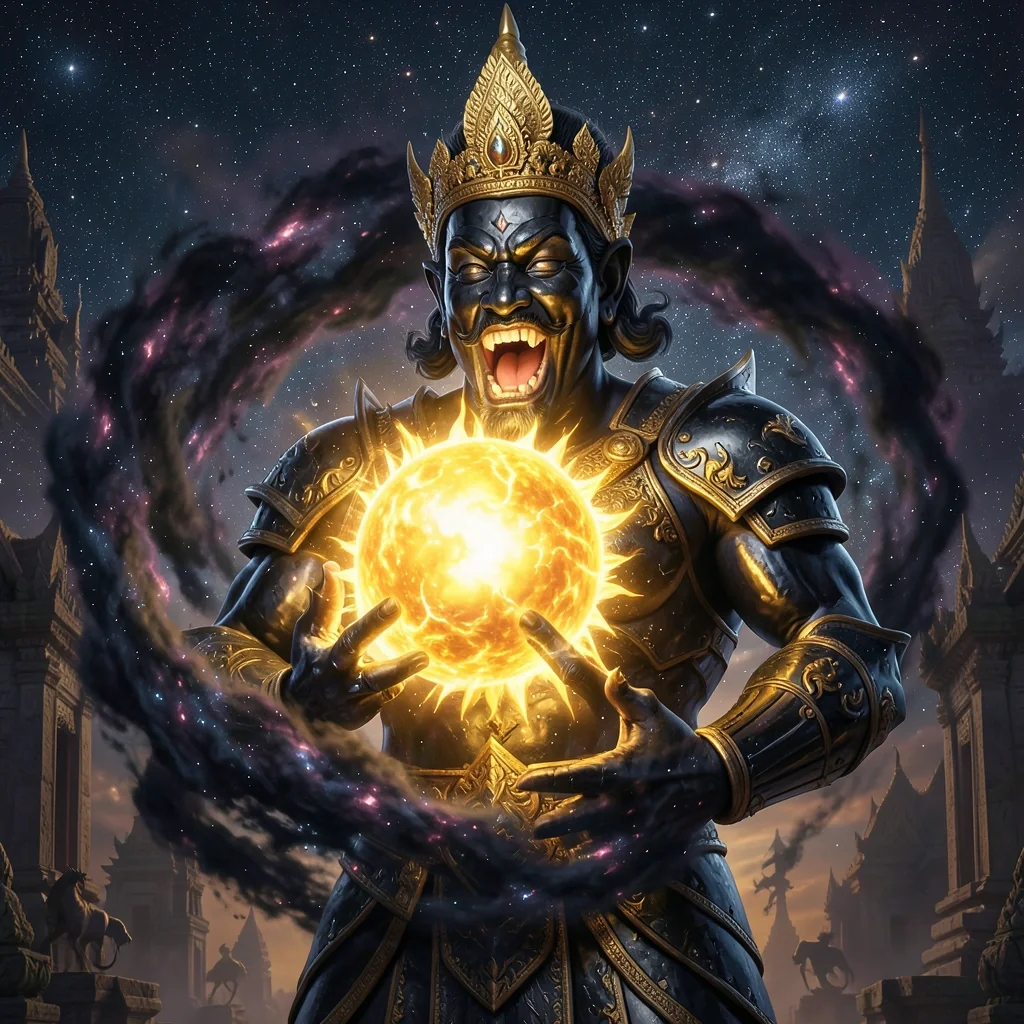
Phra Rahu Asura Deva (Phra Rahu / Rahu)
Phra Rahu · Star-Devouring Calamity-Dissolving Asura KingThe Asura King revered by the entire Thai nation. His colossal body can blot out the sun and moon, and he is dedicated to devouring all betrayal, sinister villains, and bad luck in the world, reversing downturns and reflecting evil curses back to their senders.
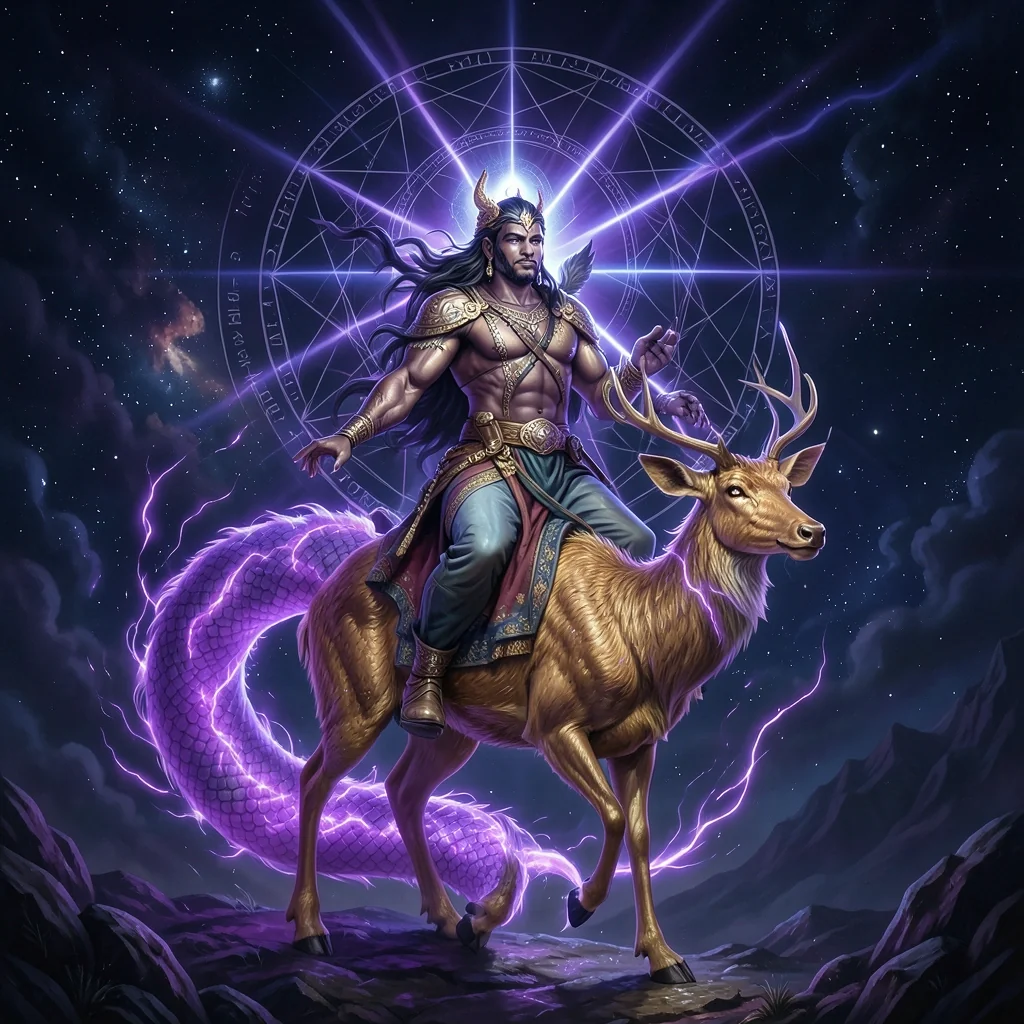
Ketu Asura Star God (Phra Ketu)
Phra Ketu · God of Inspiration and Divine Wisdom, and Revered Deity of the Star's TailManifested from the severed dragon-tail body of Rahu, the Asura King. In Southeast Asia, he is revered as a sacred star deity that governs occult divination, sudden inspiration, and protection against black magic and spells.

Vimalacitra, Asura King
Vimalacitra · Sumeru Abyssal Illusory Divine KingOne of the four great Asura Kings in Buddhism, father-in-law of Indra. Residing at the bottom of the great sea north of Mount Sumeru, he excels at manifesting countless weapons and palaces in the void, with unfathomable divine power.
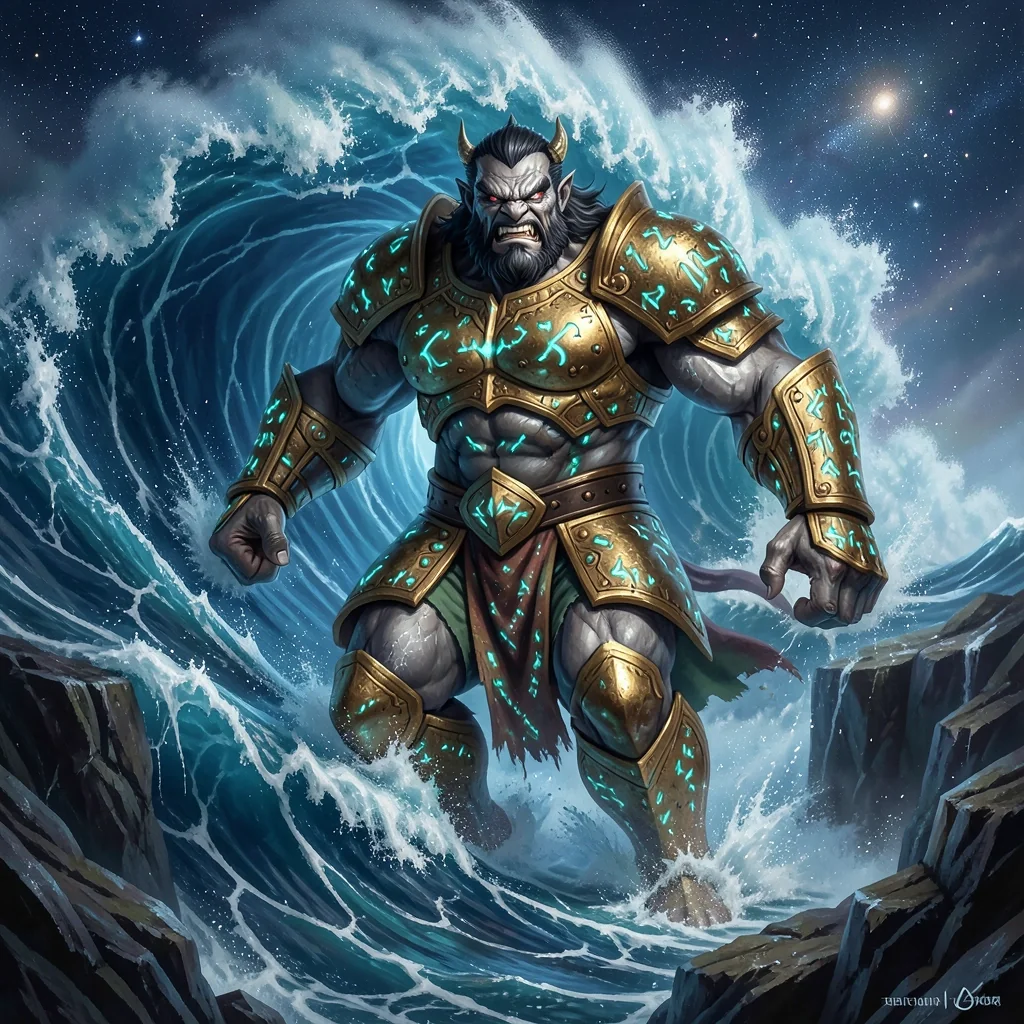
Bhadra, the Asura King (Bhadra)
Bhadra Asura · Lord of Surging Raging WavesOne of the four great Asura Kings in Buddhism, known as the ‘Surging King’. He commands the surging of giant abyssal waves, with a fierce and unstoppable nature, symbolizing the most powerful explosive force of libido hidden in the subconscious.
【Buddhist Esoteric Traditions and Netherworld Dharma Lineage】Taming Wrath and Wildness · Great Protector Venerable of Universal Deliverance
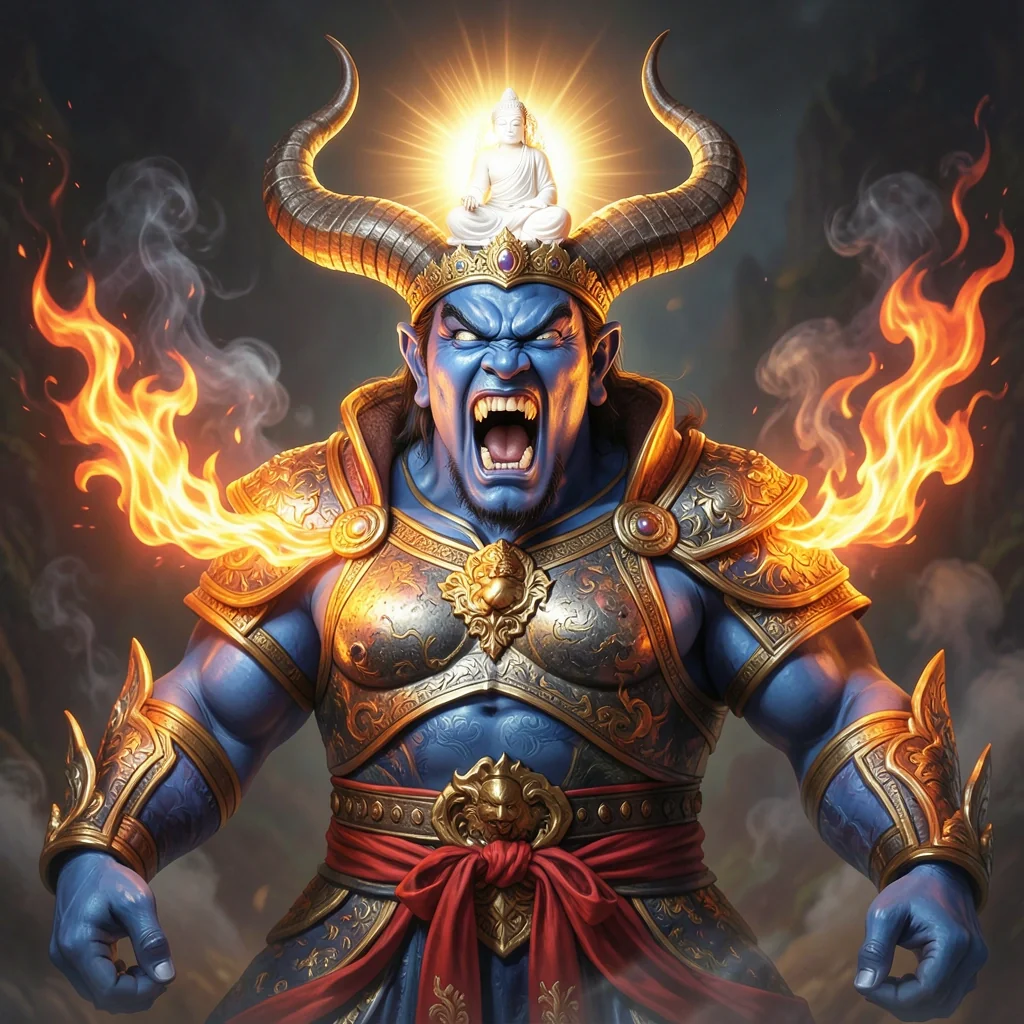
Mian Ran Da Shi (Burning Face Mahasattva / Scorched-Face Asura Ghost King)
Pudugong · Guanyin Mahasattva's Wrathful Asura FormWith two horns on his head, he spews blazing fire from his mouth and bares a blue face with fangs. Guanyin Mahasattva manifested this true body of the Asura Ghost King in order to subdue the violent Asura evil ghosts. He is the sovereign who, during the Zhongyuan Festival, leads all ten thousand malevolent spirits to take refuge.
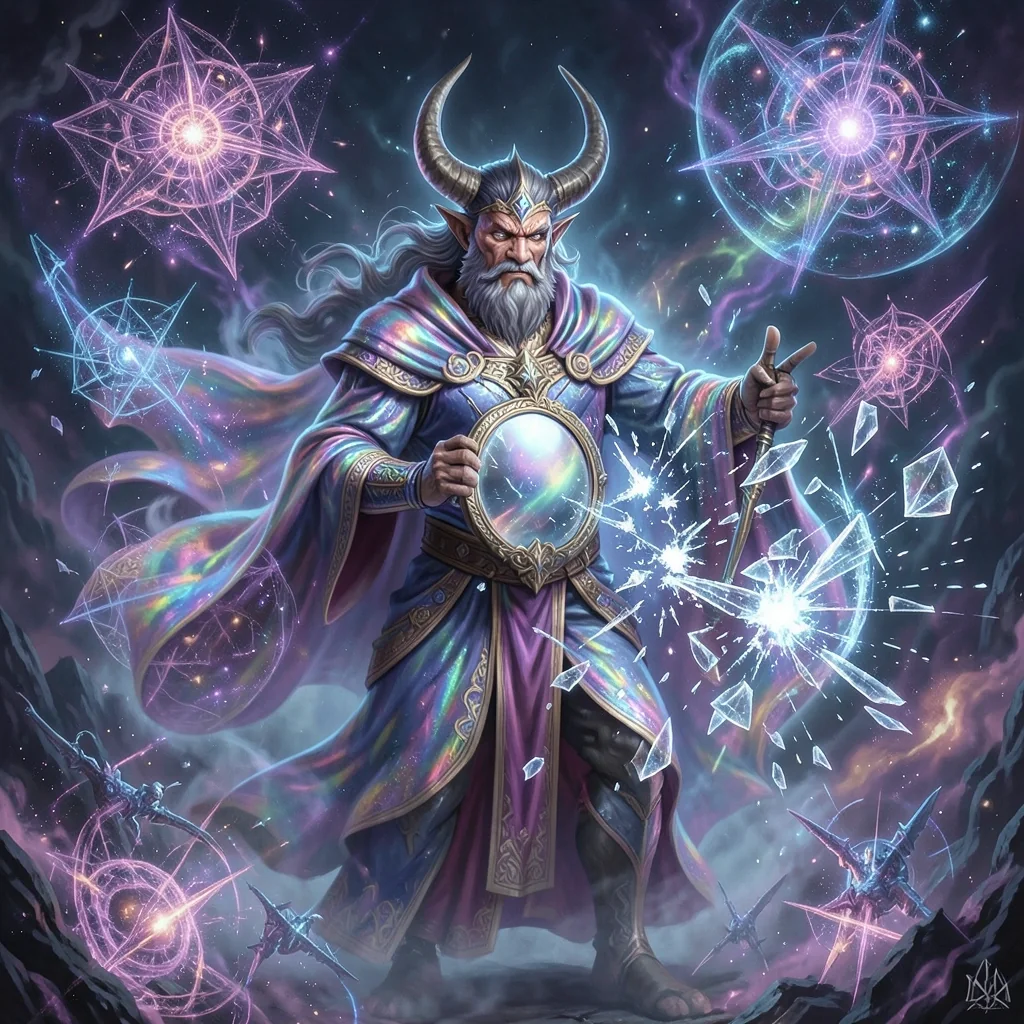
Śambara, Asura King (Śambara)
Śambara · Battle Formation Illusion and the Venerable of Great IllusionOne of the four great Asura kings in Buddhism, known as the 'King of Illusion'. Skilled in using inconceivable grand illusions to reverse the perception of friend and foe, he achieved great feats in the celestial wars. Esoteric Buddhism regards him as a guardian who destroys delusion.
【Indian Vedic and Cosmic Epics】Benevolent Sovereign God-King · Colossal Mighty One Who Battles Heaven and Earth
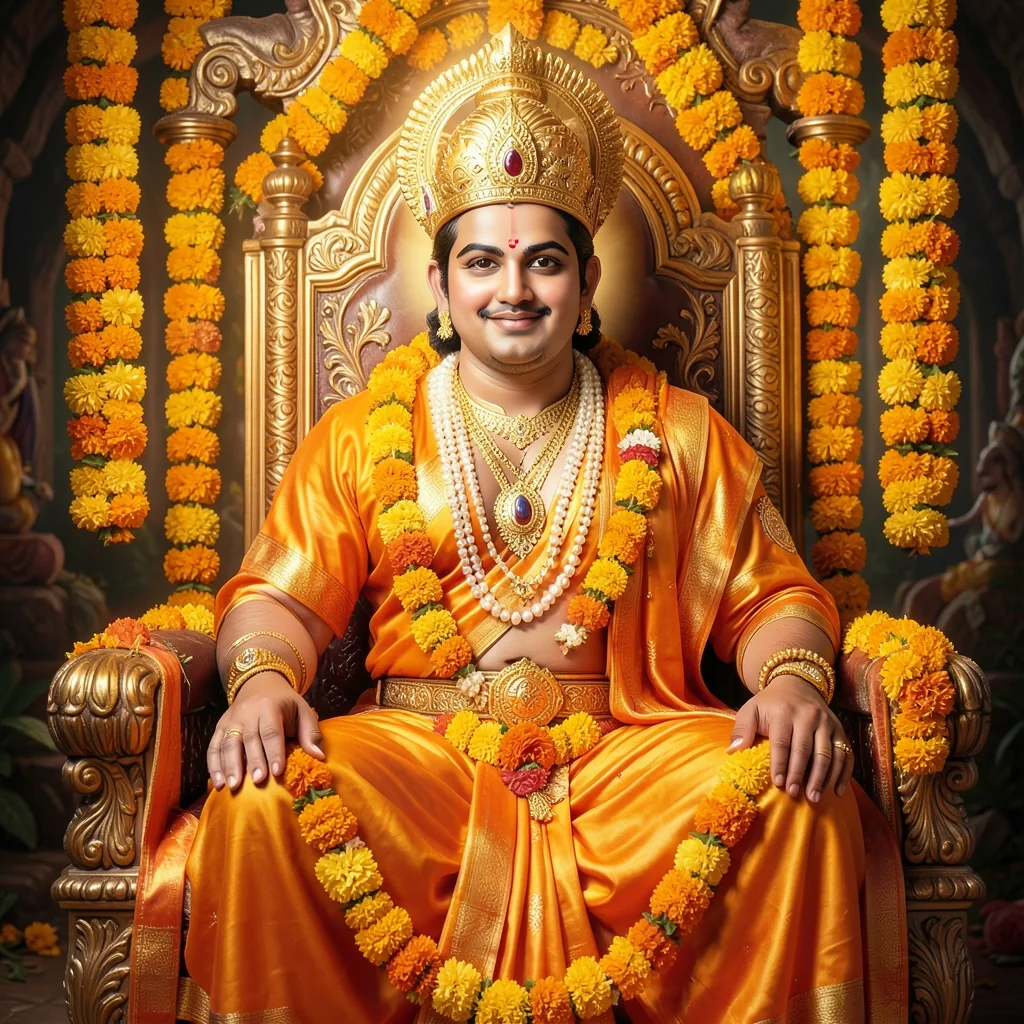
Bali, the Sacred Asura King (Mahabali / Bali Raja)
Ruler of Patala · Benevolent King of the Indian Great Harvest FestivalThe greatest sage-king in Asura history with the highest merit. His virtue and benevolence made the three worlds submit; in Kerala, India, the entire state celebrates him for ten days every year as the harvest god-king.
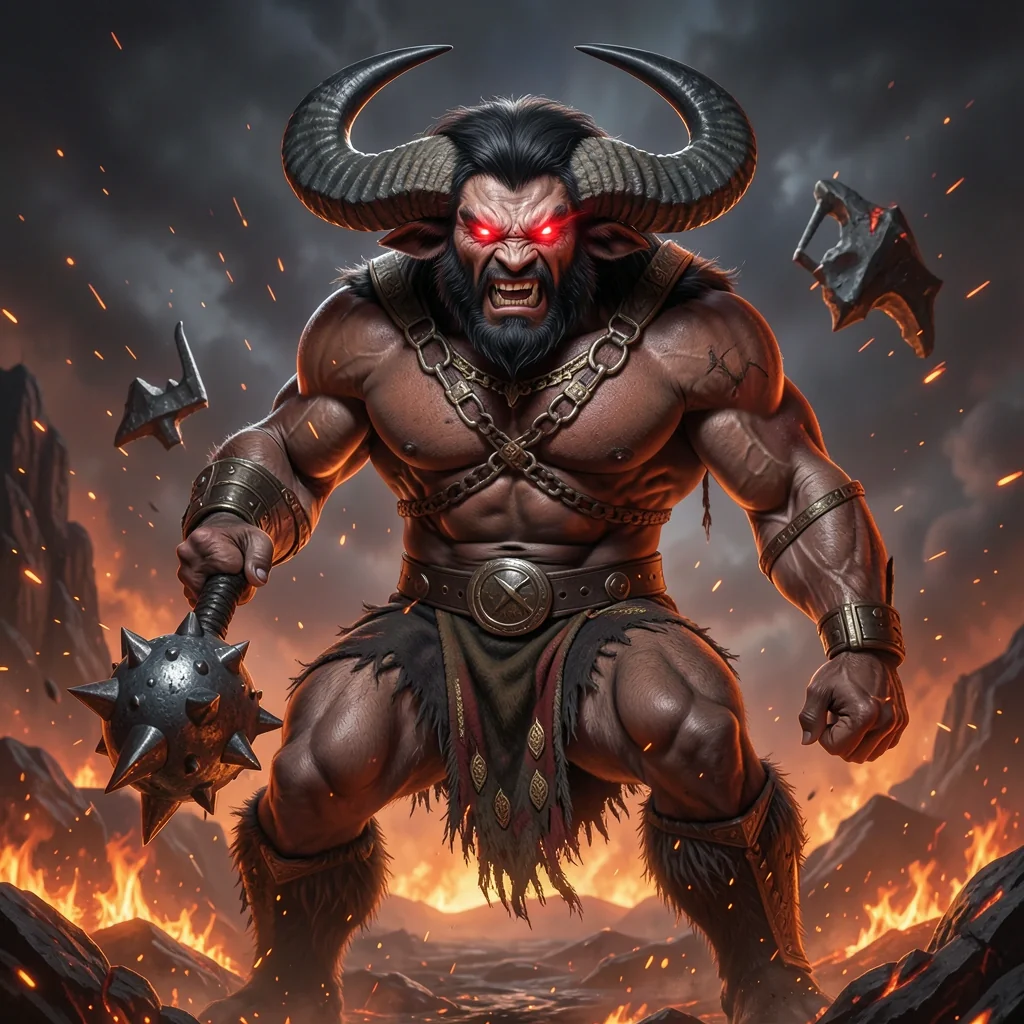
Bull Demon Asura Lord (Mahishasura)
Water Buffalo Divine Transformation · Primal Force of Utmost Steel and Fierce Battle-IntentThe most terrifying Asura warrior god in Vedic mythology. Once swept through the heavenly realm and drove away the gods, ultimately subdued by the Mother Goddess Durga, who was born from the pure solar fire of all cosmic gods.
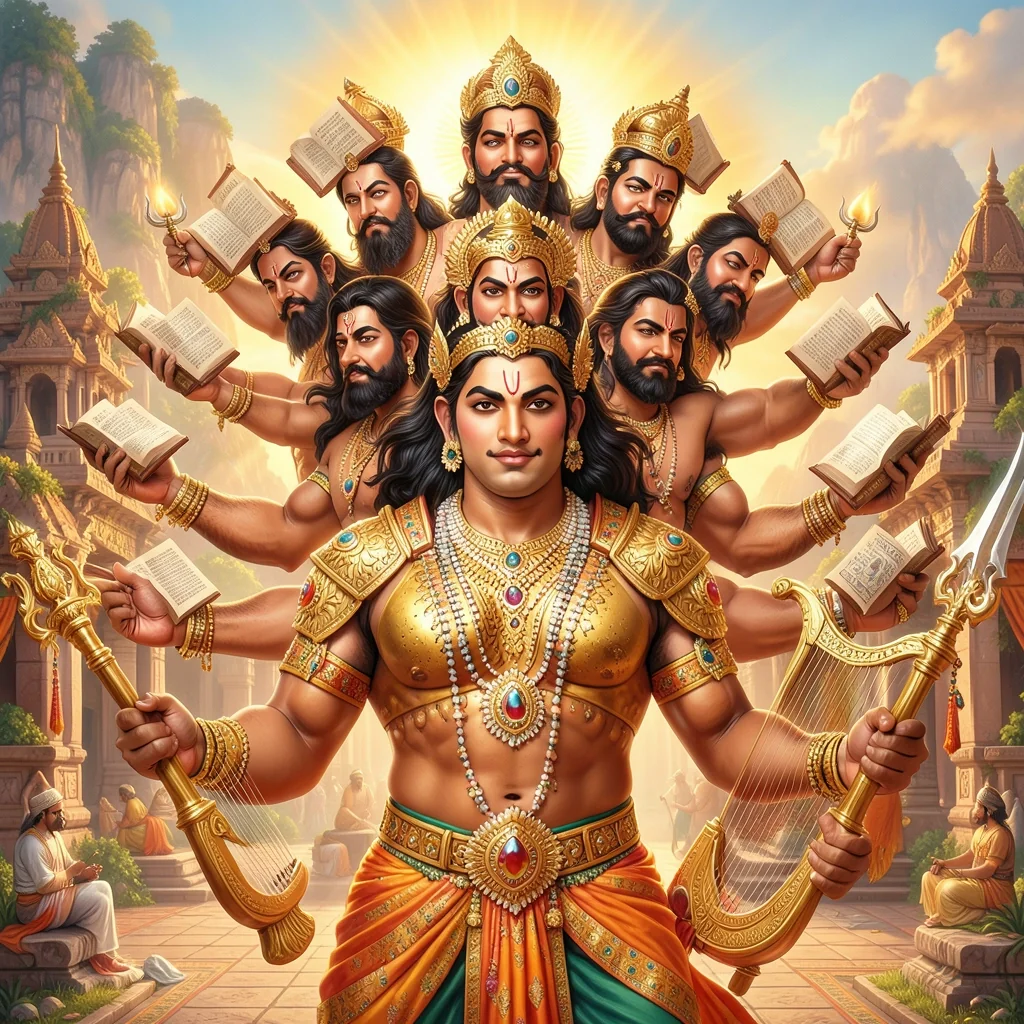
Ravana, the Ten-Headed Demon King
Holy Lord of Lanka Island · Supreme Scholar of the Vedic ScripturesThe supreme overlord of the Ramayana. With ten heads and twenty arms, he practiced asceticism for ten thousand years, offering his severed heads to Shiva. He mastered the four Vedas and the six Vedangas, and his divine might swept across the three worlds.
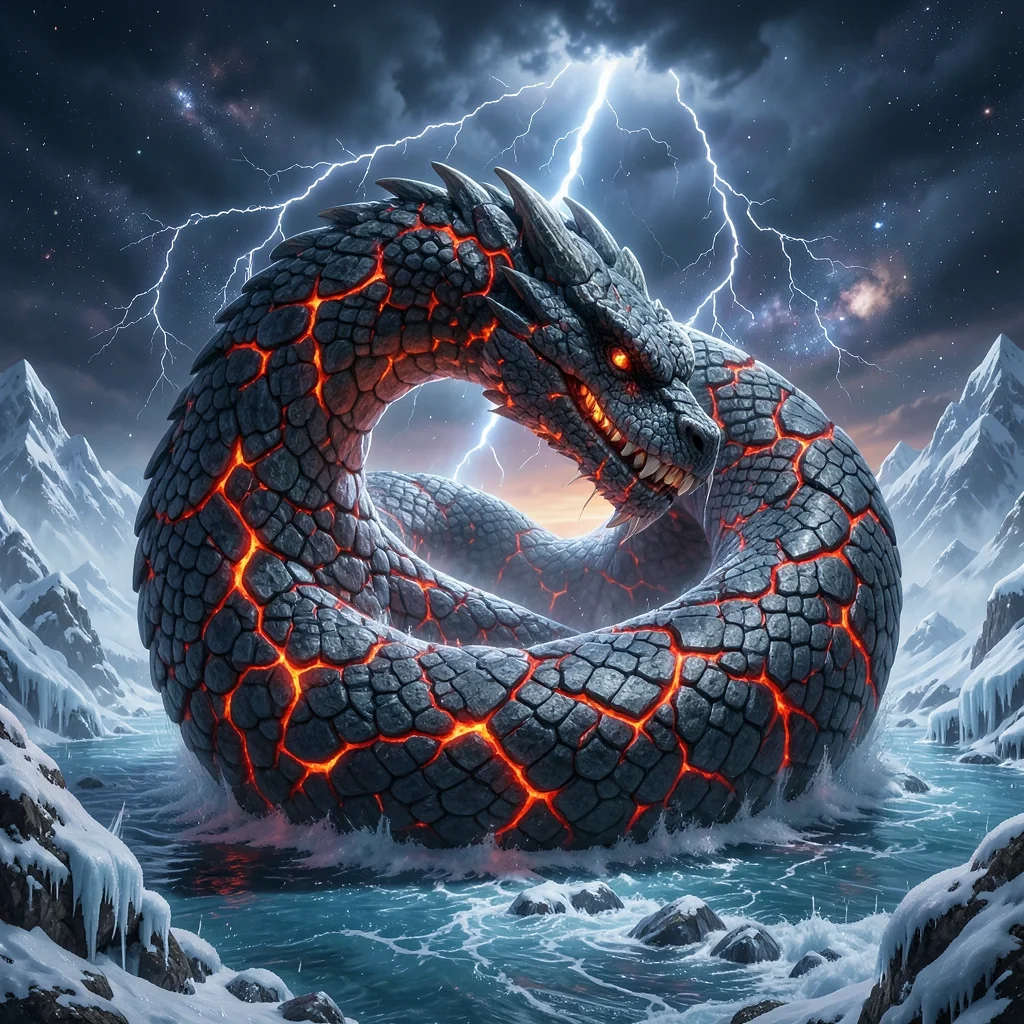
Vritra, the Drought Dragon God
River-Swallowing Current-Blocking Giant Python · Asura of Darkness and DroughtA great Asura god in the form of a giant serpent, who once sealed all ninety-nine rivers of the universe within his colossal belly. Indra, the king of gods, split his body with the vajra, and the nectar of life poured down to the mortal world.
Right Faith and Clear Discernment: The Mind-Dharma and Metaphysics of Venerating the Asura Deities
Asura in Sanskrit means “non-deva,” referring to beings whose karmic reward and might resemble those of devas, yet without the devas' arrogance and tepid placidity. In orthodox cosmic theology, the Asura divine kings are by no means the demons and monsters of worldly pejorative speech, but rather **the fearless war gods and dharma-protecting sovereigns—the most staunch and fiery within the Three Good Realms**.
Common people worship the Asura often for revenge and victory; the wise venerate the Asura with the aim of **tempering the intrinsic Bodhi-mind and igniting the vital fierceness of life**. When you are deeply mired in workplace involution, struck by the hidden arrows of petty schemers, lacking wealth and fortune, or feeling timid and wavering within, the primordial force symbolized by the Asura gods—“battling heaven and earth, indomitable through a hundred setbacks”—is the cosmic blaze that helps you shatter the darkness and overturn adversity!
Asura Deities: Common Knowledge and Worship Q&A
Why do so many people in folk society deliberately go to worship Asura deities (such as Rahu Deva and the Burning Face Mahasattva)?
Because modern secular life is full of obstacles from petty people, cutthroat competition, and sudden upheavals. Gentle, compassionate deities teach people to endure and be tolerant, while the Asura war gods specialize in ‘fighting violence with violence, bouncing back curses, swallowing the gossip, trouble, and bad luck stirred up by petty people, and rapidly reversing one’s windfall fortune.’ They are potent and swift in effect, and are therefore highly revered in business, political, and entertainment circles.
How can one view one’s affinity with Asura deities through BaZi (Eight Characters) and astrological charts?
Those whose natal chart shows ‘unrestrained Seven Killings, a strong Yang Blade, Mars conjunct Pluto, or exalted Rahu and Ketu’ often carry a strong imprint of heroic Asura-realm figures in their past lives. Such people have fierce temperaments and leader-like ambitions, and are suited to wearing Destiny Beads made of lustrous stone or attuning to the Asura divine nature, so as to transform their inner wrath-fire into the great boldness needed to break through deadlocks and create new paths.