Southeast Asian Gods and the Tropical Sacred Universe
Discover the gods, spirits, and sages shaped by centuries of exchange across islands and peninsulas: from Java's Queen of the Southern Sea, Thailand's Four-Faced Buddha, and the Mekong River Dragon King, to the Datuk Gong of Malaysia and Singapore and the goddess of rice harvest.
Island Origins and Mother Goddesses of Land and Sea (Sang Hyang Widhi • Dewi Sri • Ratu Kidul)
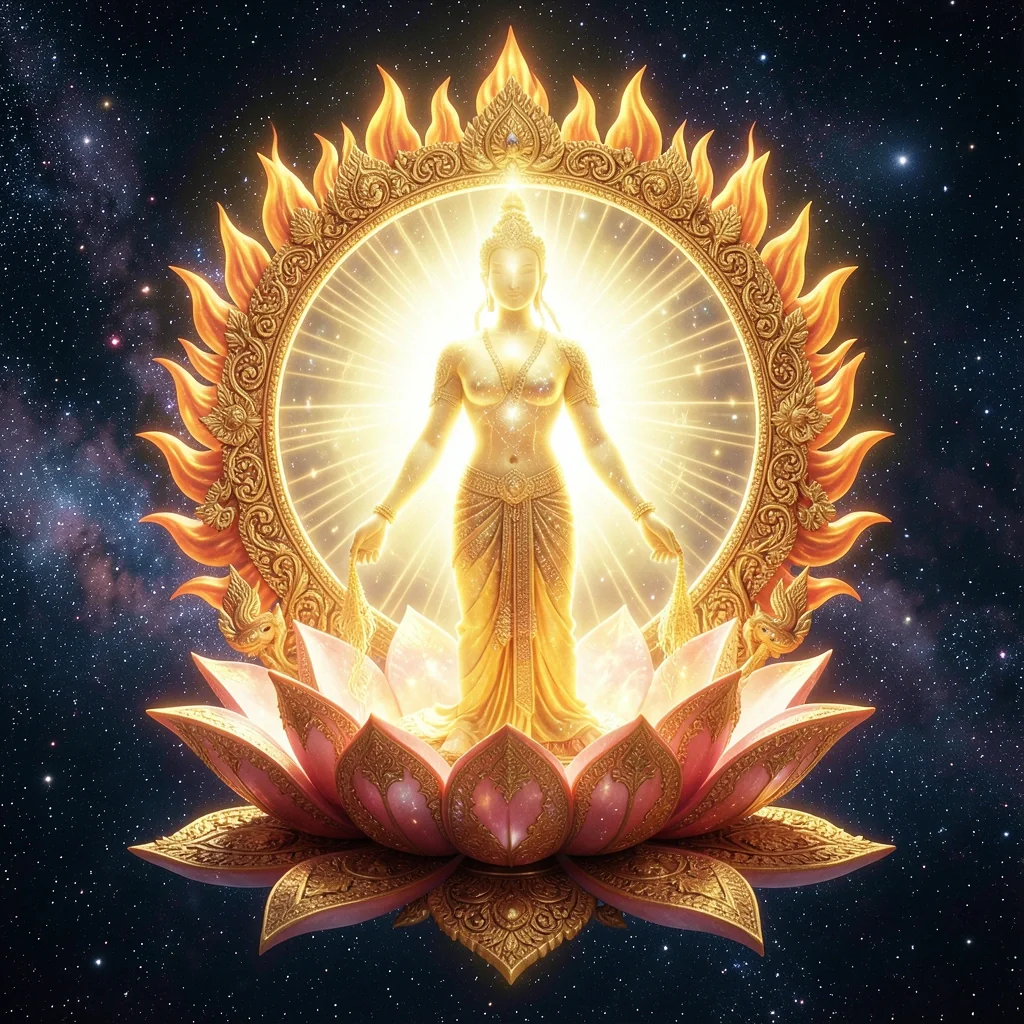
Sang Hyang Widhi Wasa
Acintya / Sang Hyang TunggalIn Balinese Hinduism, the supreme ultimate truth transcending all forms; all major deities are its manifested incarnations.
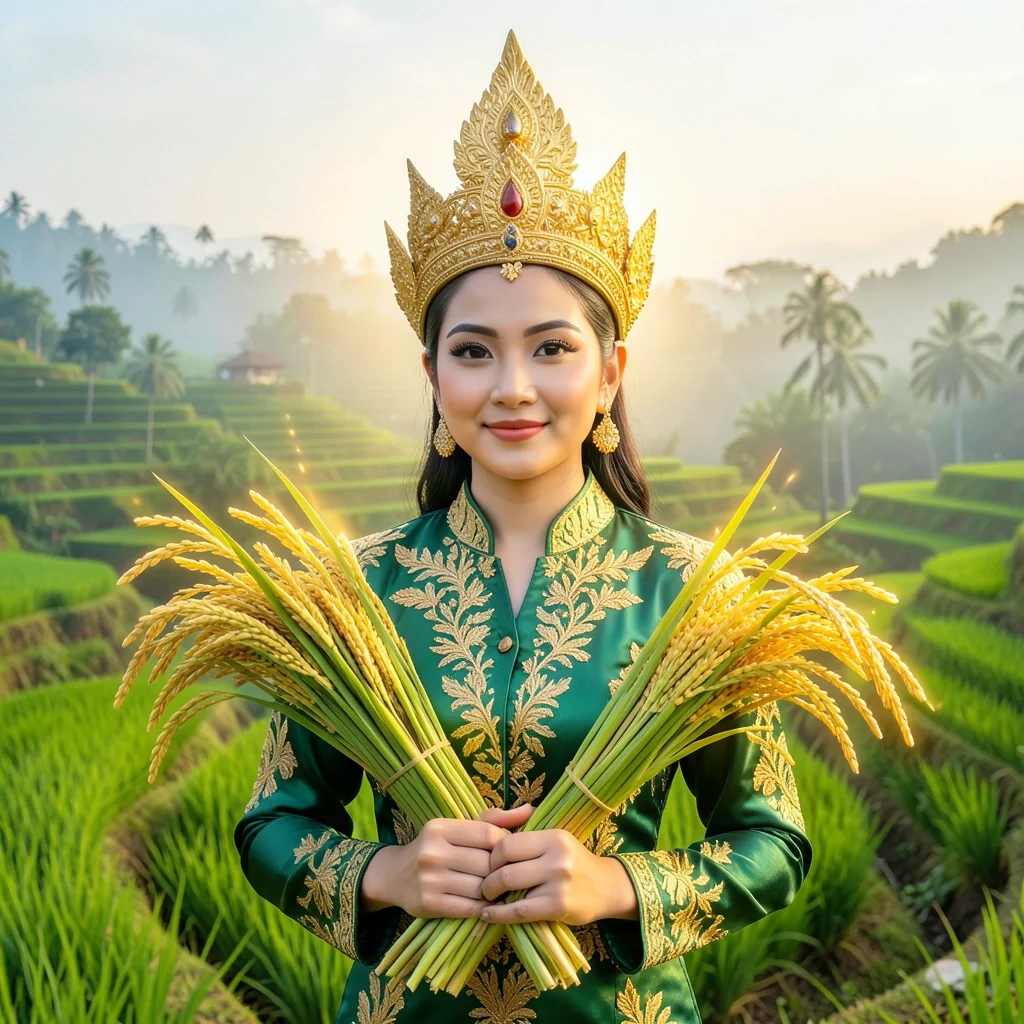
Dewi Sri, Goddess of Bountiful Rice
Dewi Sri / ShrideviThe supreme goddess of agriculture and food in Java and Bali, governing wealth, granaries, fertility, and family harmony.
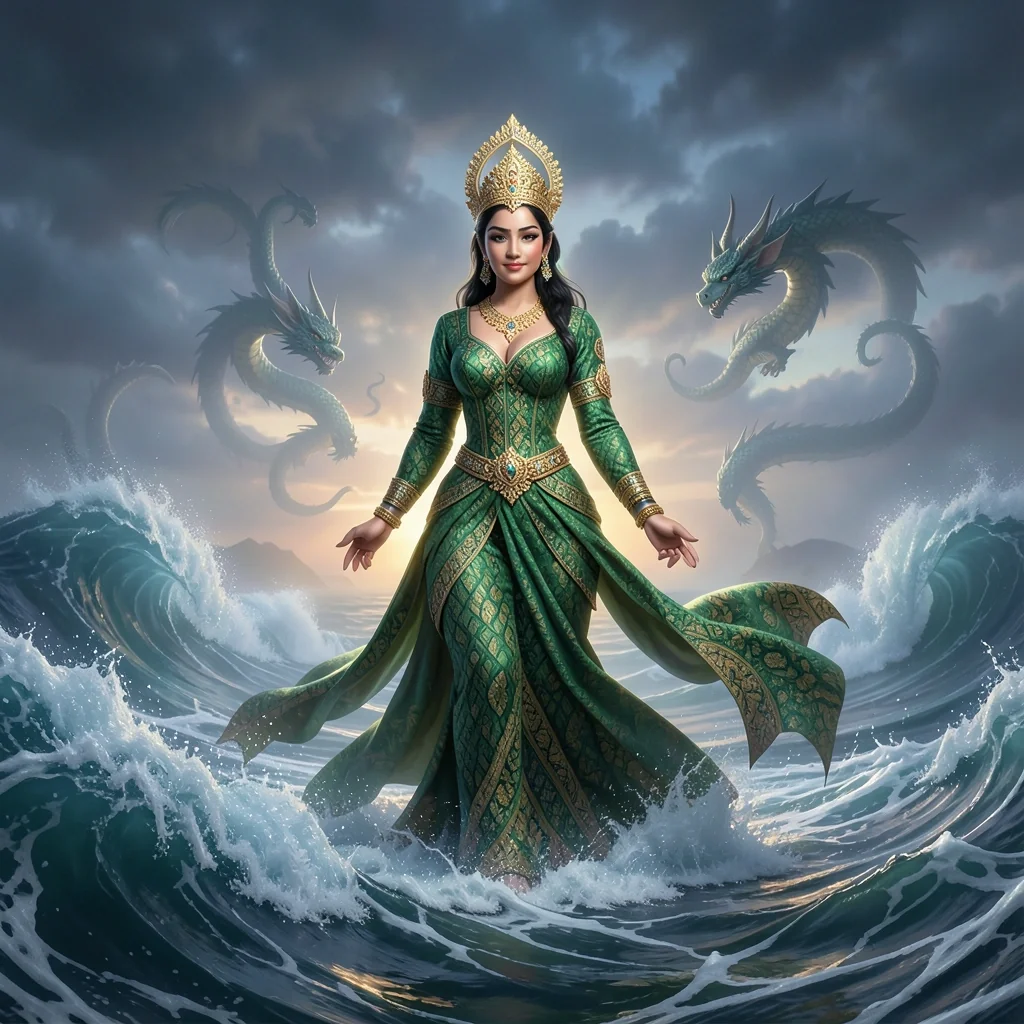
Queen of the Southern Sea of Java (Nyi Roro Kidul)
Kanjeng Ratu KidulThe sacred queen of the Indian Ocean south of Indonesia, commanding aquatic dragons and sea monsters, and the spiritual guardian bride of the ancient Javanese Sultanate.
Siamese Sovereign Celestials and Water-Realm Dragon Kings (Phra Phrom • Ganesha • Phra Rahu • Mekong River Dragon King)
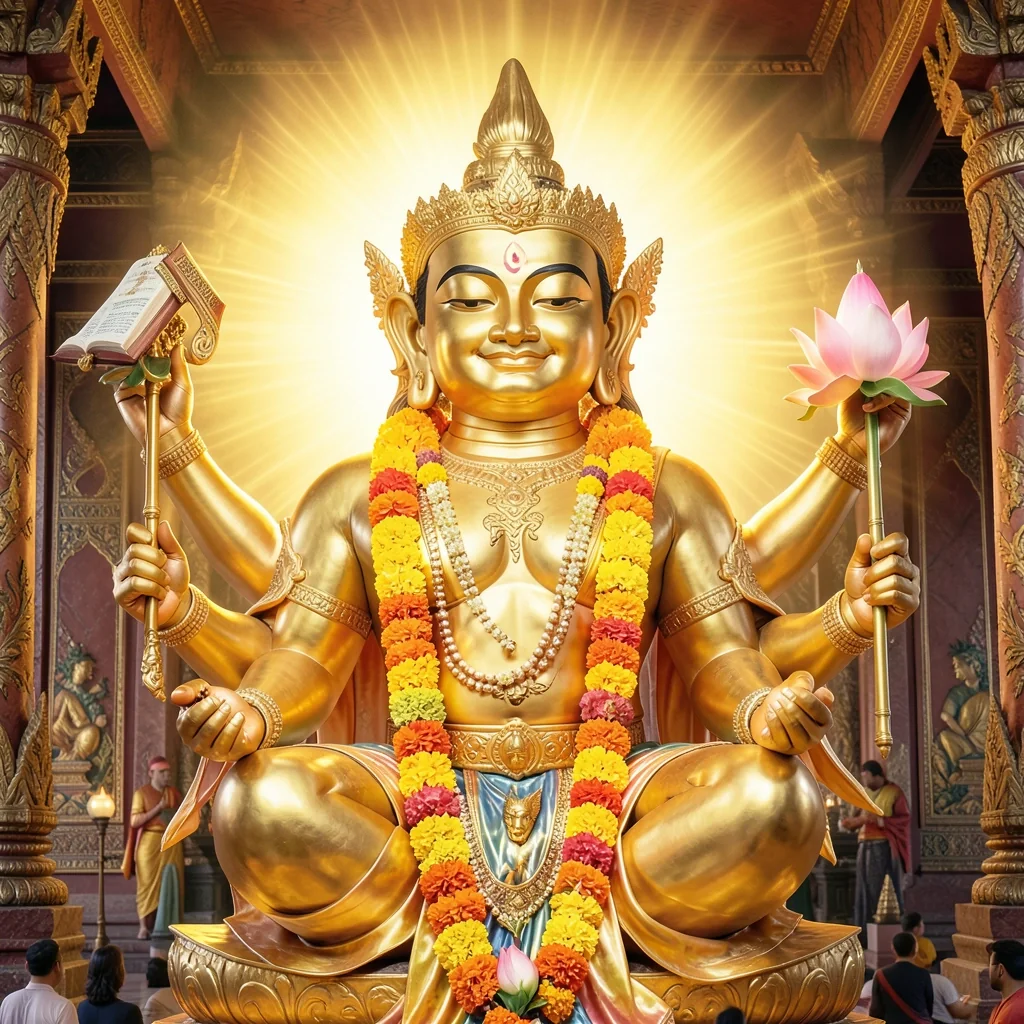
Erawan Shrine Four-Faced God (Phra Phrom)
ท้าวมหาพรหมThe world-renowned Erawan Shrine Four-Faced Buddha in Bangkok governs human career, marriage, wealth, and peace in the four cardinal directions.
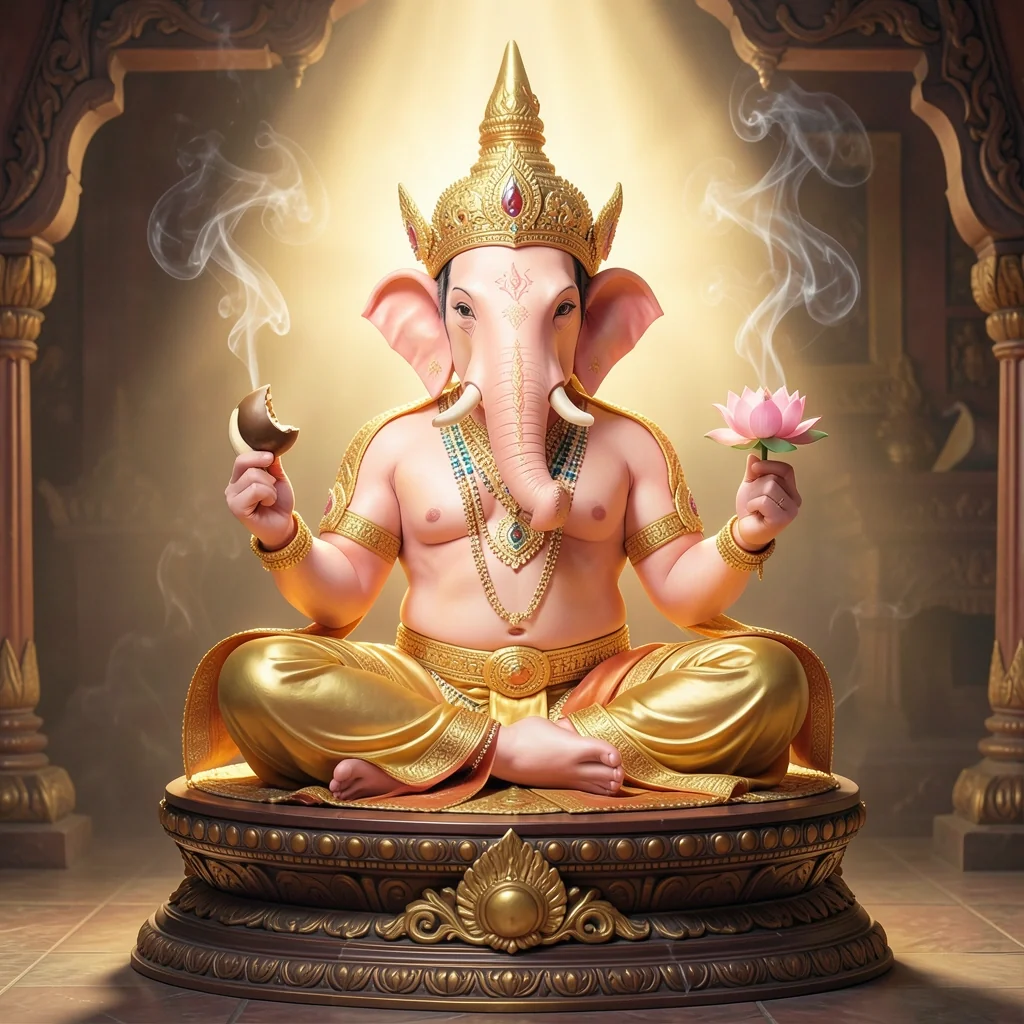
Phra Pikanet (Thai Lord Ganesha)
พระพิฆเนศThe revered god of fortune worshipped by Southeast Asian business, entertainment, and creative elites, clearing obstacles and bringing prosperity.
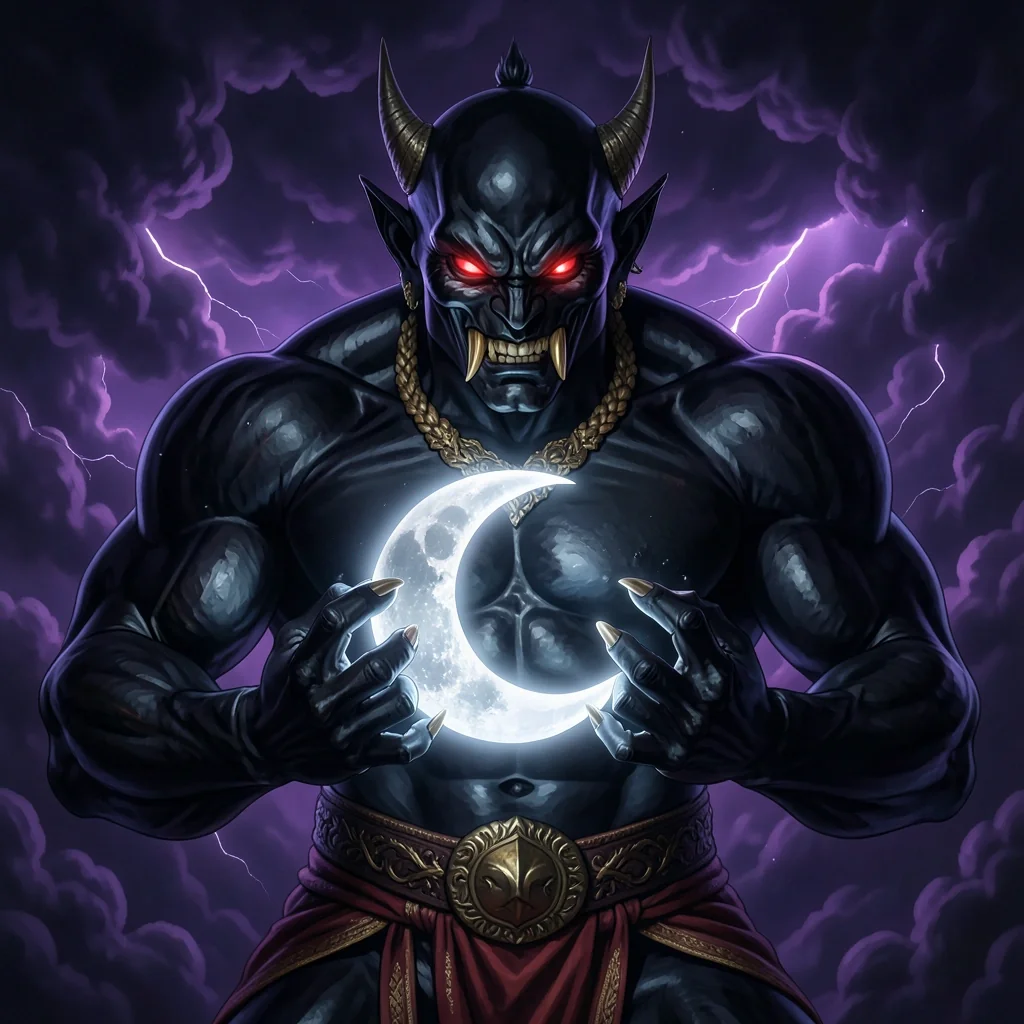
Lahu Celestial / Rahu Star Lord (Phra Rahu)
พระราหูThe revered black obsidian deity who devours the moon and sun, specializes in countering frame-ups by petty people, lawsuits and disasters, reversing desperate situations, and attracting windfall and hidden wealth.
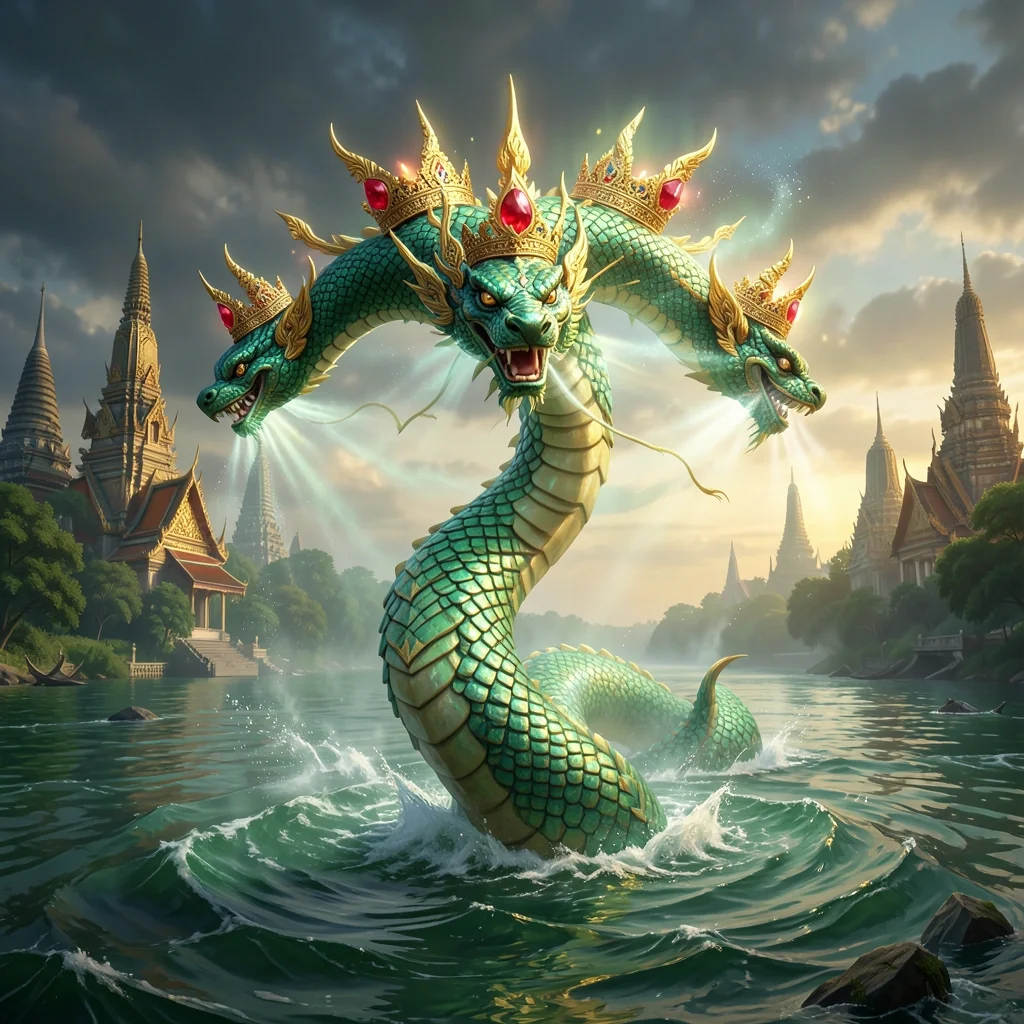
Mekong Water Dragon King (Phaya Nak)
พญานาคA giant dragon god lurking at the bottom of the Mekong River and in snowy mountain sacred springs, the source of water wealth, spewing out magnificent water dragon pearls yearly to pay homage to the Buddha.
Folk Blessings, Commerce, and Geomantic Deities (Singapore-Malaysia Datuk Gong • Wealth Goddess Nang Kwak • Myanmar Bo Bo Gyi)
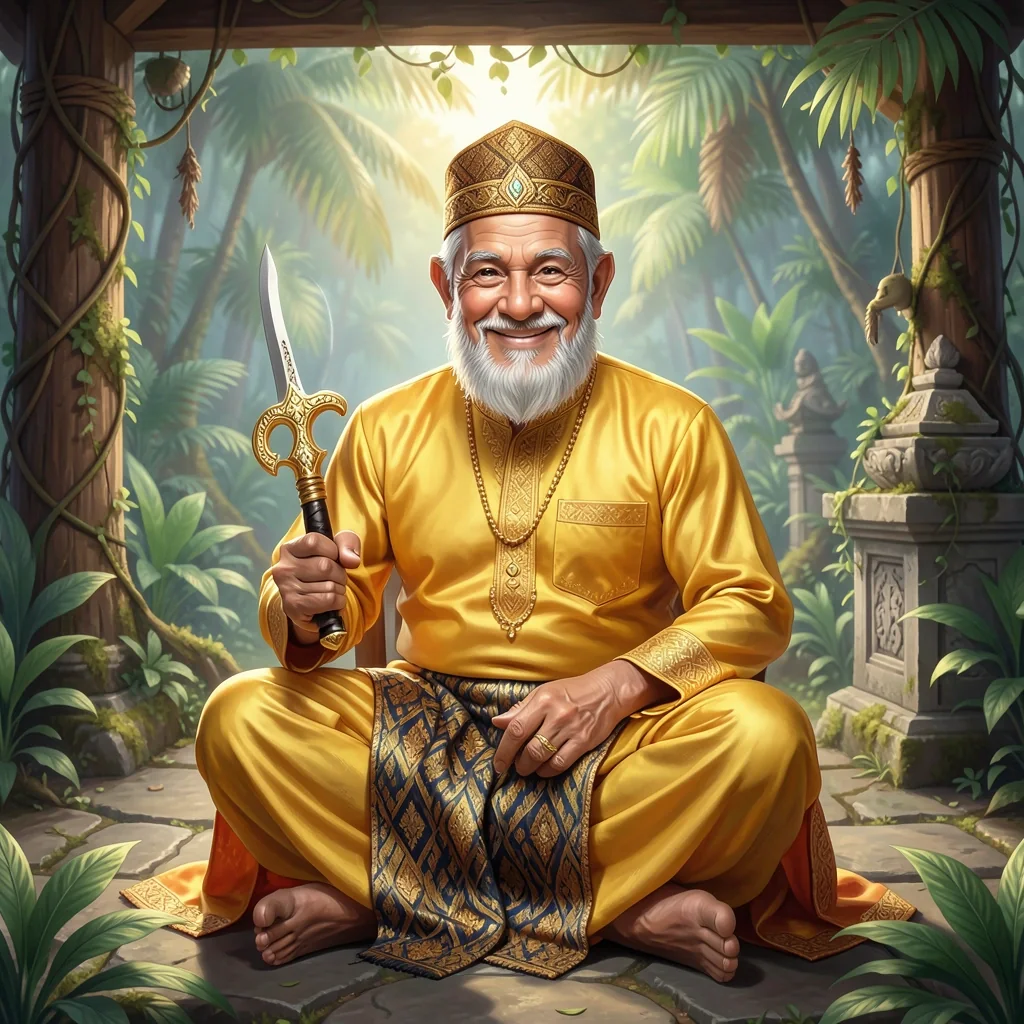
Datuk Gong of Singapore and Malaysia
Datuk KeramatThe most unique cross-cultural land guardian deity in Singapore and Malaysia, a Fu De Zheng Shen dressed in traditional Malay attire holding a Malay kris.
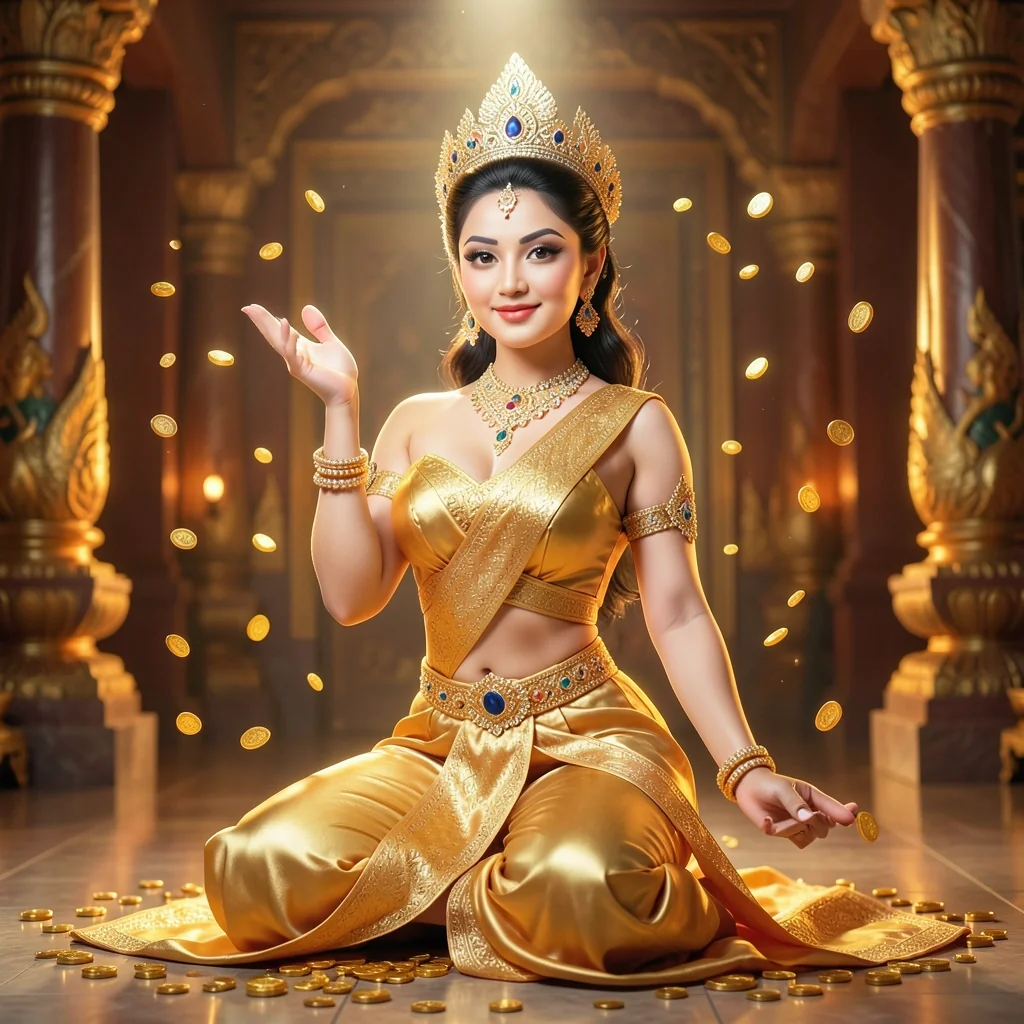
Wealth Goddess Nang Kwak (Nang Kwak)
นางกวักDressed in traditional Thai attire with a golden crown, the goddess gently beckons with her right hand. She is an indispensable wealth-attracting icon for all shops and stalls in Southeast Asia.
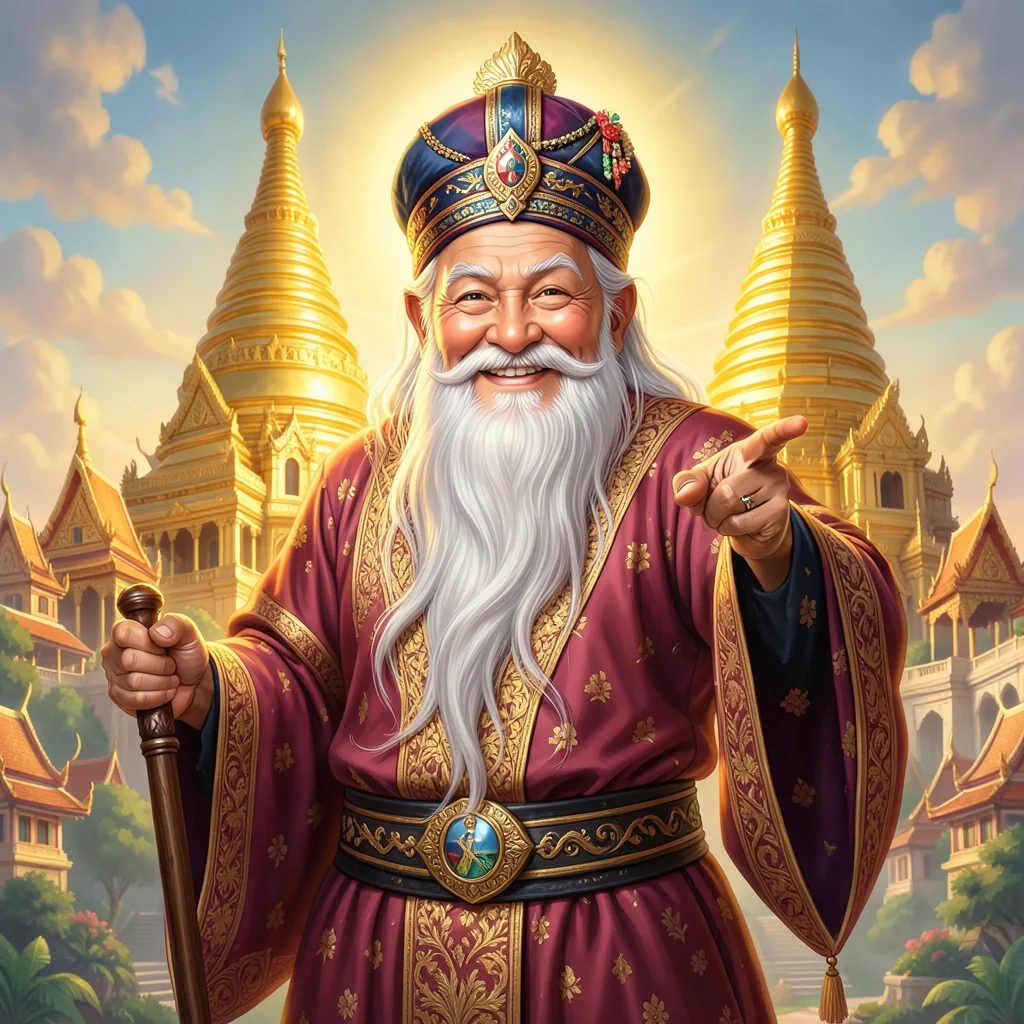
Myanmar Guardian Deity Bo Bo Gyi
ဘိုးဘိုးကြီးThe famous white-haired elder deity in front of the Botataung Pagoda in Yangon, Myanmar. His divine finger points forward, known for guiding the right path and granting wishes swiftly.
Philippine Archipelago Creation and Mountain Forest Deities (Bathala • Mariang Makiling)
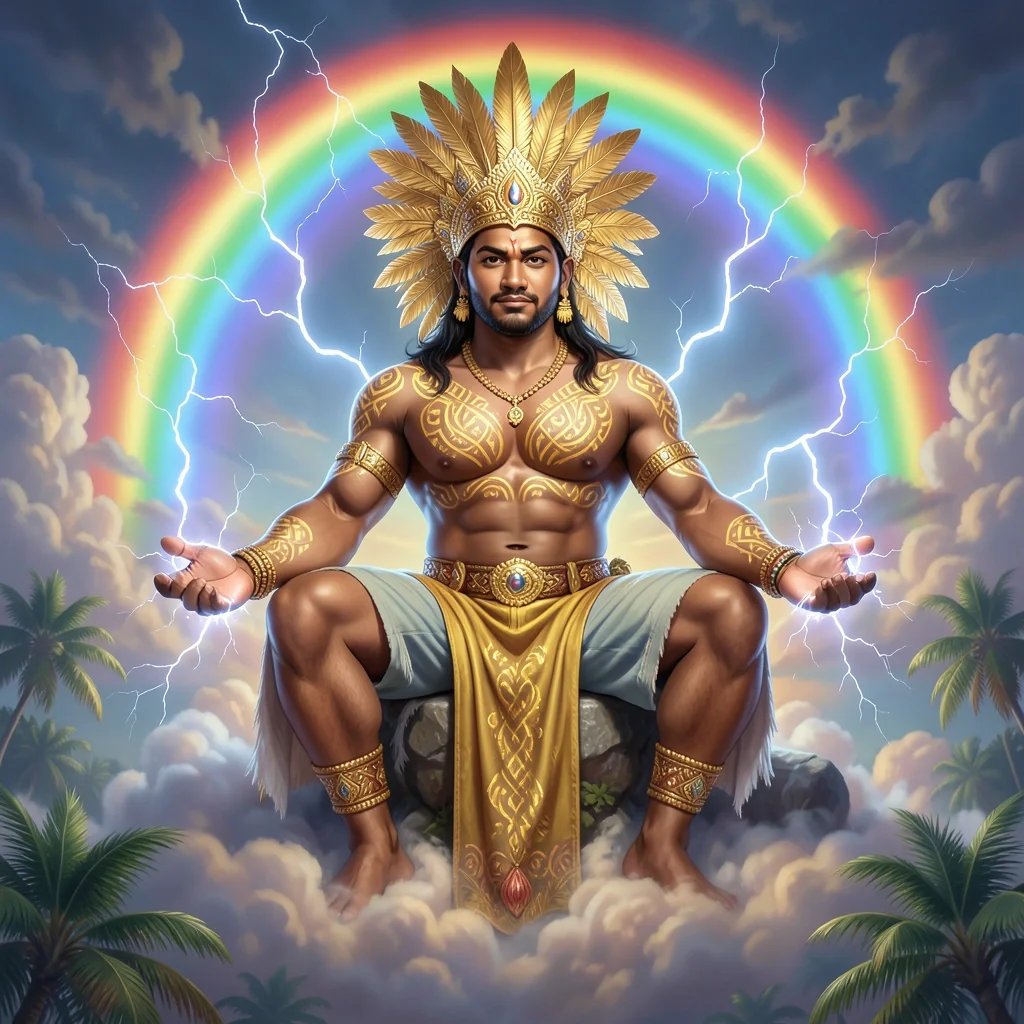
Bathala the Creator God (Bathala)
Bathala MaykapalThe supreme cosmic creator worshipped by the ancient Tagalog people of the Philippines, who governs the cosmos and weaves human destiny.
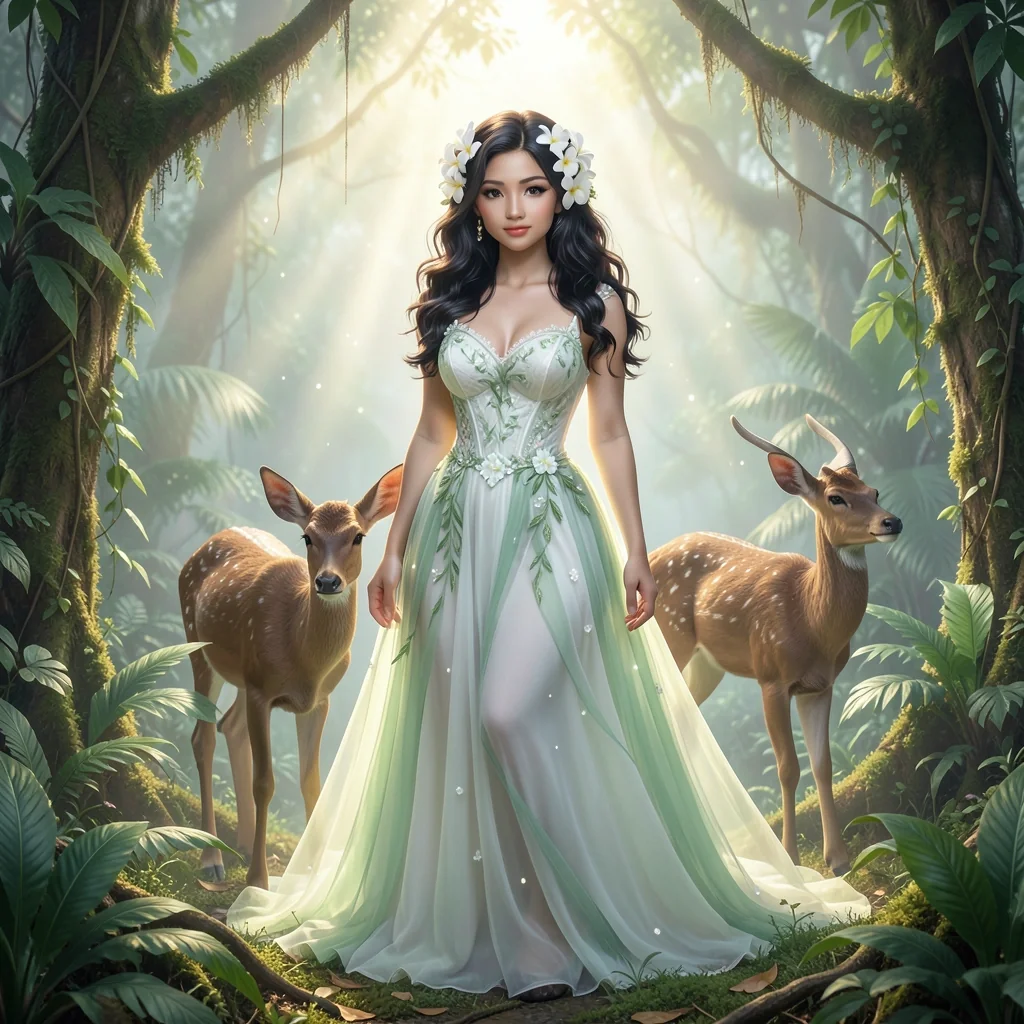
Maria Makiling
Diwata Maria MakilingThe guardian goddess (Diwata) of Mount Makiling in Laguna Province, Philippines. Benevolent and immortal, she often takes human form to aid travelers in distress.
Southeast Asian Spiritual Practices and Folk Knowledge
Why can the Southeast Asian pantheon simultaneously integrate Hinduism, Buddhism, and indigenous animism?
Southeast Asia, located at the hub of the Maritime Silk Road and monsoon trade, has been inclusive and eclectic for thousands of years. Local indigenous people have perfectly interwoven the sacred spirits of the land (such as the Rice God, Sea Queen, and Foundation God) with the great Hindu deities (Brahma, Shiva) and the Buddhist protector Dragon King, forming a pragmatic, effective, and inclusive belief matrix.
What taboos should be observed during daily practice and prayer?
Must strictly respect the customs of local deities: for example, when offering to the Singapore-Malaysia Datuk Gong, absolutely no pork or alcohol are allowed (halal offerings must be used); when offering to the Lahu Heavenly God, the preferred offerings are eight types of black items such as black coffee and black sesame; when worshipping the Four-Face God, one must fulfill vows as promised after wishes are granted.